LOG_FILE: 0xBLOG

BLOG

Conferences, meetups, hackathons, and tech community events.

ARTICLES

How I Built This Portfolio

MAY 24, 2026

A look behind the scenes at the technology, design decisions, and workflow behind this e-portfolio.

I built this portfolio with Next.js 16, React 19, TypeScript, and Tailwind CSS 4, deployed on Netlify. Every push to the main branch triggers an automatic deploy, so I never have to think about deployments. The whole aesthetic is inspired by terminal interfaces and cyberpunk UI: dark background, gold accents, monospace fonts for the techy bits. I wanted it to feel like something you'd see on a hacker's screen in a movie, but actually functional.

NEXT.JSTYPESCRIPTTAILWIND CSSNETLIFY
HACKATHONS

Hack The Future: SeaFence Inc. Rush to the Bottom

NOV 12, 2025Cronos Group, Belgium
HACKATHON

Competed in a Java-based deep-sea submarine engineering challenge at Hack The Future, organized by the Cronos Group. Teams built and optimized submarine systems in a fictional 2040 scenario where the goal was to dive the deepest without imploding. The challenge tested algorithmic decision-making, resource management, and real-time system design under pressure.

SELF_REFLECTION

Hack The Future is an annual hackathon by the Cronos Group, and it's big: hundreds of IT students competing across different challenge tracks. Ours was called SeaFence Inc., and the premise was wild: it's 2040, you're controlling a submarine, and you need to dive as deep as possible without the hull imploding. All in Java, all under time pressure, all with a leaderboard updating live on the big screen.

JAVAALGORITHM DESIGNCOMPETITIVE PROGRAMMING
Hack The Future: SeaFence Inc. Rush to the Bottom photo 1
Hack The Future: SeaFence Inc. Rush to the Bottom photo 2
TECH_TALKS
7 SESSIONS
01

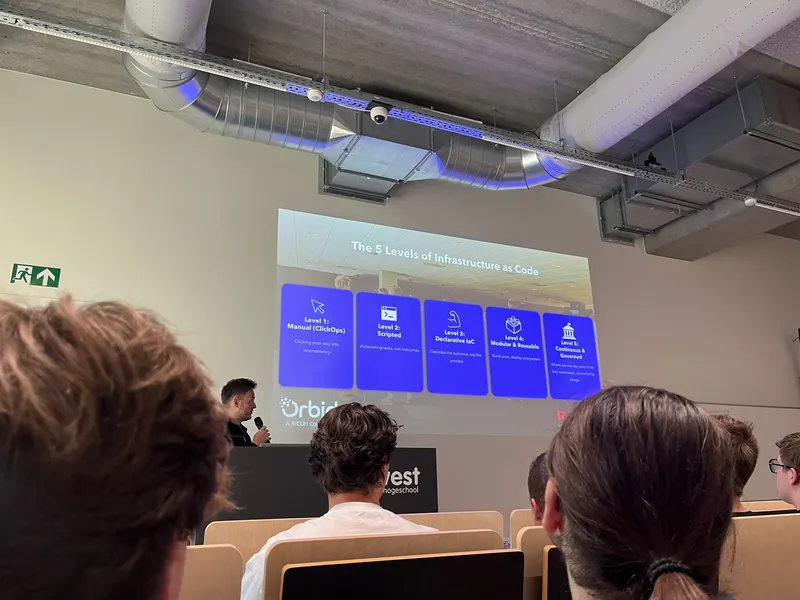
The 5 Levels of Infrastructure as Code

APR 28, 2026Howest University of Applied Sciences
SPEAKERS:Tim Van Roosbroeck,Dimitry Decan

SELF_REFLECTION

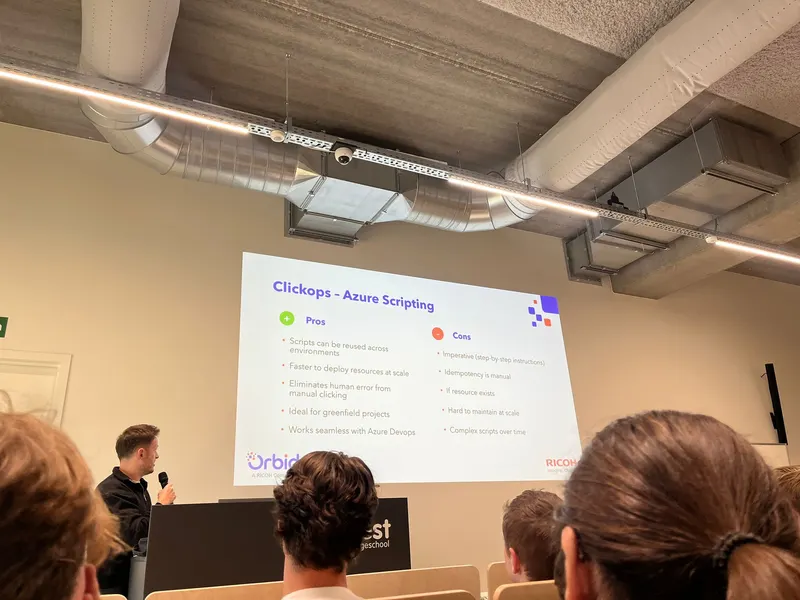
This was a ninety-minute evening session at Howest, presented by Tim Van Roosbroeck and Dimitry Decan from Orbid. They walked us through five maturity levels of Infrastructure as Code, from clicking around in the Azure portal (level one, also known as "Click-Ops") all the way up to enterprise-grade automation with policy-driven governance. Having both a business consultant and a cloud engineer present gave the talk two useful perspectives: the why and the how.

The 5 Levels of Infrastructure as Code photo 1
The 5 Levels of Infrastructure as Code photo 2
02

DeepSeek Unveiled

DEC 9, 2025Howest University of Applied Sciences
SPEAKER:Dimitri Casier

SELF_REFLECTION

This was a two-hour evening session at Howest, and it was all about DeepSeek, one of the most hyped open-source AI models to come out of China in 2025. Dimitri Casier, who teaches software development and AI at Howest, walked us through what makes DeepSeek different from GPT-4 and Claude, and whether the hype is actually justified. The room was packed with AI-curious students and a few people from industry.

DeepSeek Unveiled photo 1
03

The Birth of NATO's Cyber Defence

DEC 2, 2025Howest University of Applied Sciences
SPEAKER:Martin De Pauw

SELF_REFLECTION

This one was different from the usual Tech & Meet sessions. Instead of a deep technical dive, we got a mix of geopolitics and cybersecurity from someone who lived it. Martin De Pauw is a Royal Military Academy graduate who started on F16 avionics before moving into IT and cybersecurity at NATO Headquarters. He traced NATO's entire journey from digital uncertainty to cyber resilience: from the early days when cyber wasn't even on the radar, through the 2007 attacks on Estonia, all the way to 2016 when NATO officially recognized cyberspace as an operational domain alongside land, sea, and air.

The Birth of NATO's Cyber Defence photo 1
04

Transitioning to IPv6

NOV 25, 2025Howest University of Applied Sciences
SPEAKER:Nico Declerck

SELF_REFLECTION

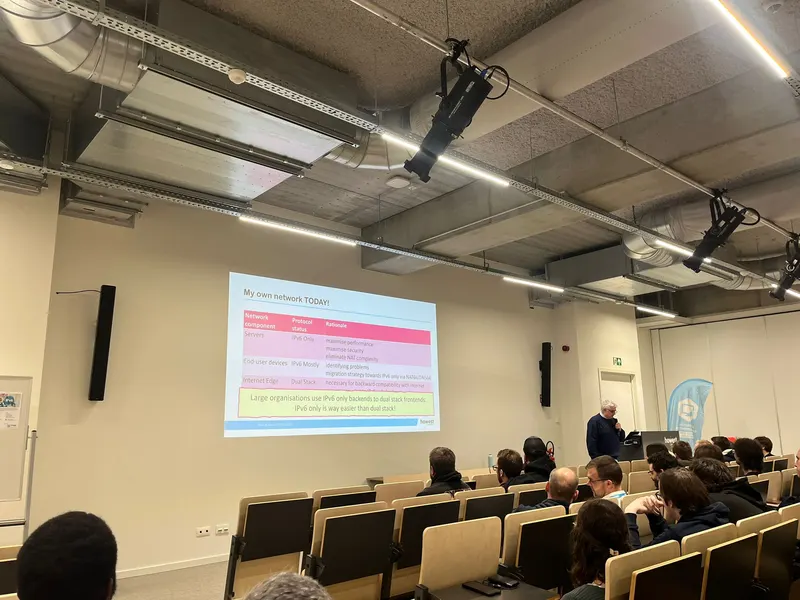
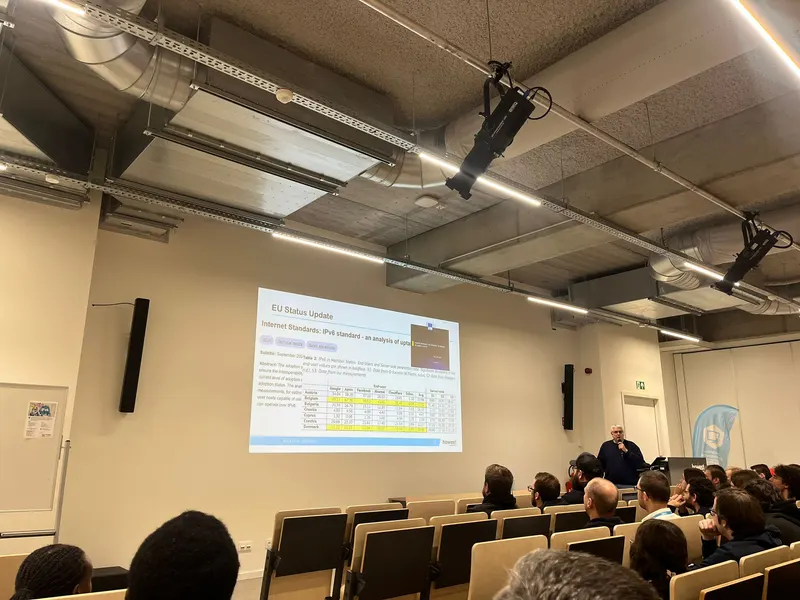
I'll be honest: I walked into this one thinking IPv6 was still a "we'll deal with it eventually" problem. I walked out realizing it's a "we should've dealt with it already" problem. The speaker presented EU adoption data broken down by country and provider, showing how far behind some regions still are, and then went through the practical transition strategies: dual-stack, tunneling with 6to4 and Teredo, and NAT64 translation.

Transitioning to IPv6 photo 1
Transitioning to IPv6 photo 2
05

Cross-Platform App Development with Flutter

NOV 5, 2025Howest University of Applied Sciences
SPEAKER:Thijs Pirmez

SELF_REFLECTION

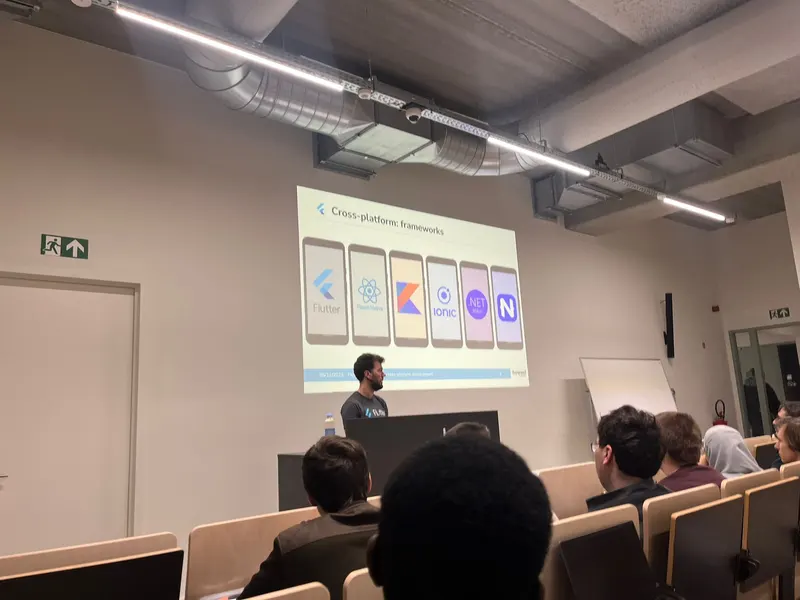
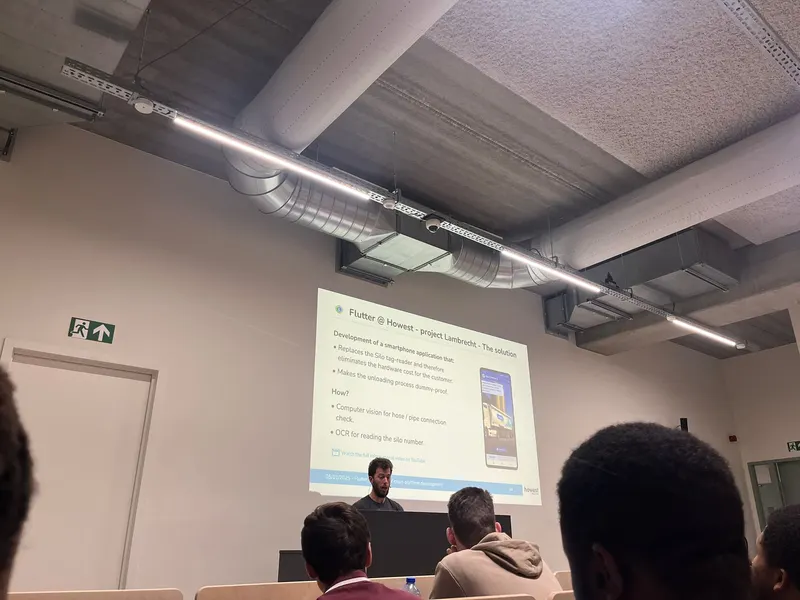
This was a ninety-minute evening session at Howest, presented by Thijs Pirmez, who specializes in Android and iOS development with a deep focus on Flutter. The first part was a general introduction to cross-platform app development: why you'd want to write one codebase instead of maintaining separate Android and iOS apps. Then the main presentation dove into Flutter itself: how its widget system works, the hot reload workflow, and how you integrate with native code and plugins.

Cross-Platform App Development with Flutter photo 1
Cross-Platform App Development with Flutter photo 2
06

Open Minds, Open Models: Exploring the Open-Source AI Ecosystem

OCT 28, 2025Howest University of Applied Sciences
SPEAKER:Niels Rogge

SELF_REFLECTION

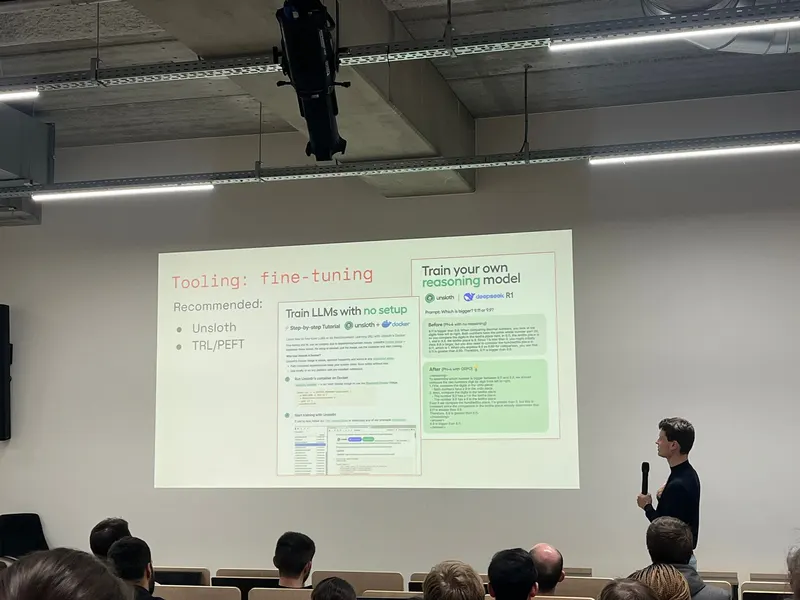
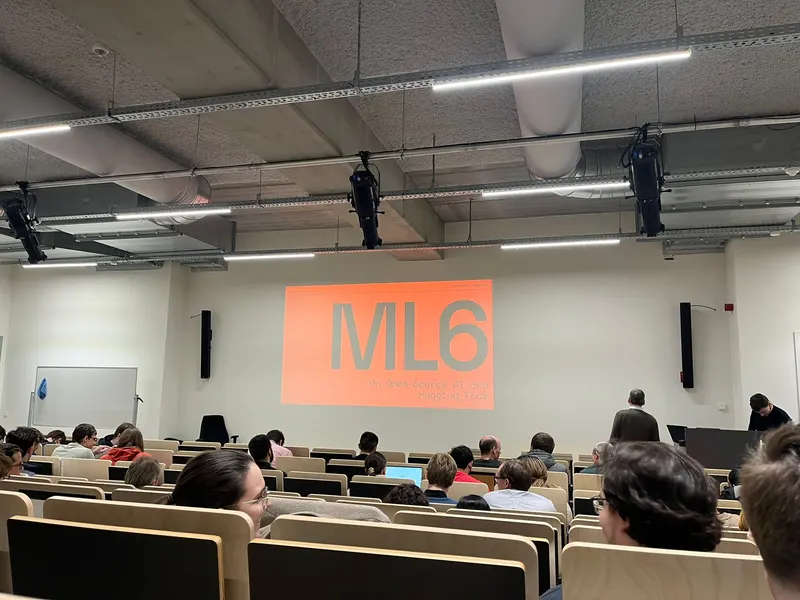
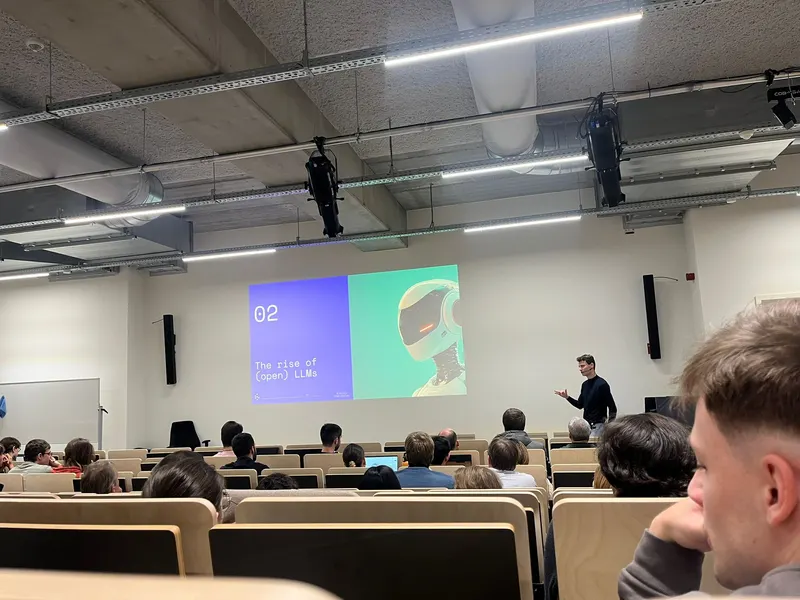
This session was presented by ML6, a Belgian AI consultancy, and they clearly knew their stuff. The talk covered the whole open-source AI landscape, from Hugging Face as a platform to the explosion of open LLMs that are now competitive with closed-source models from OpenAI and Google. The audience was a mix of AI enthusiasts and people just trying to figure out what all the fuss is about.

Open Minds, Open Models: Exploring the Open-Source AI Ecosystem photo 1
Open Minds, Open Models: Exploring the Open-Source AI Ecosystem photo 2
07

Threat Intelligence: From Threats to Tactics

OCT 7, 2025Howest University of Applied Sciences
SPEAKERS:Sandro Manzo,Niels Desloover

SELF_REFLECTION

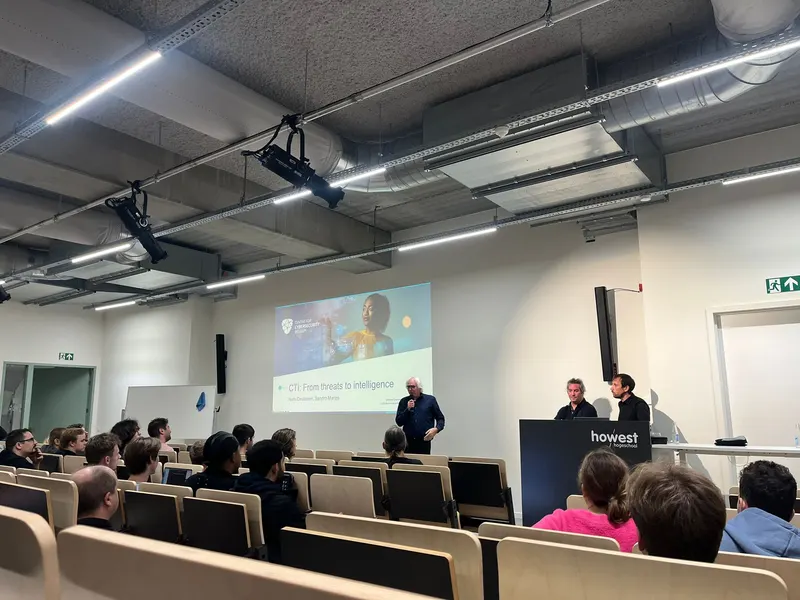
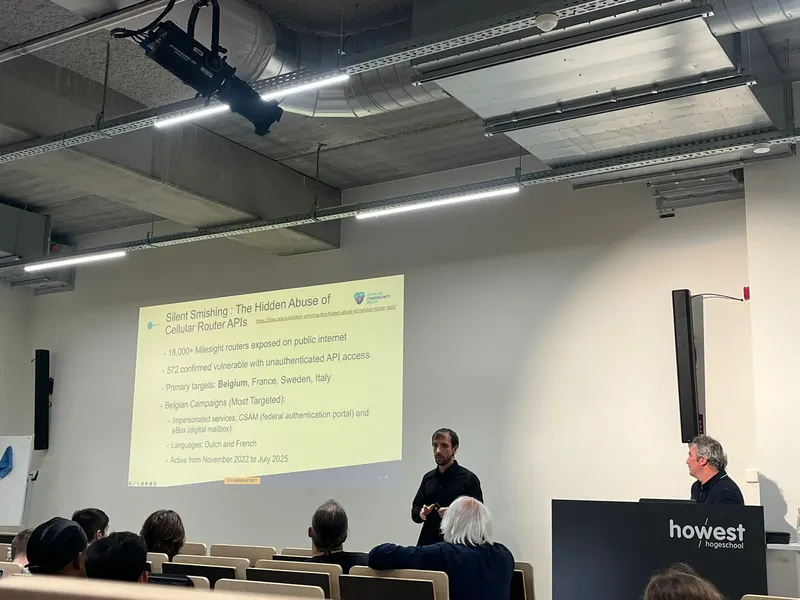
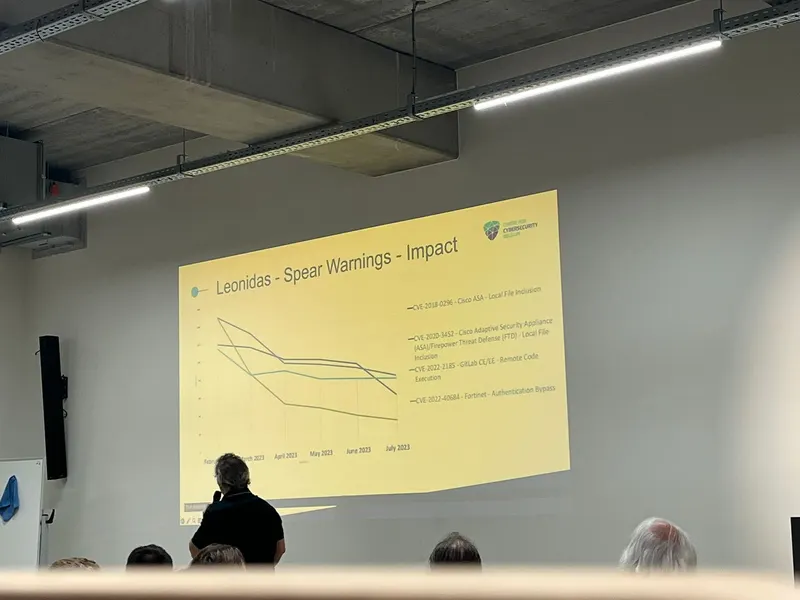
If I had to pick one session that genuinely changed how I think about security, it's this one. Sandro Manzo and Niels Desloover from the Centre for Cybersecurity Belgium covered Cyber Threat Intelligence from the ground up: the difference between strategic, tactical, and operational intel, how threat actors select targets, and how organizations can prepare for modern cyber threats. They shared practical examples from their work at Belgium's national cyber security center, which made the whole thing feel real rather than academic.

Threat Intelligence: From Threats to Tactics photo 1
Threat Intelligence: From Threats to Tactics photo 2
Threat Intelligence: From Threats to Tactics photo 3

TOTAL_POSTS

9

HACKATHONS

1

TECH_TALKS

7

ARTICLES

1